Our Products
ANGINAC®-P
Product Composition
Packaging Details
Product Description
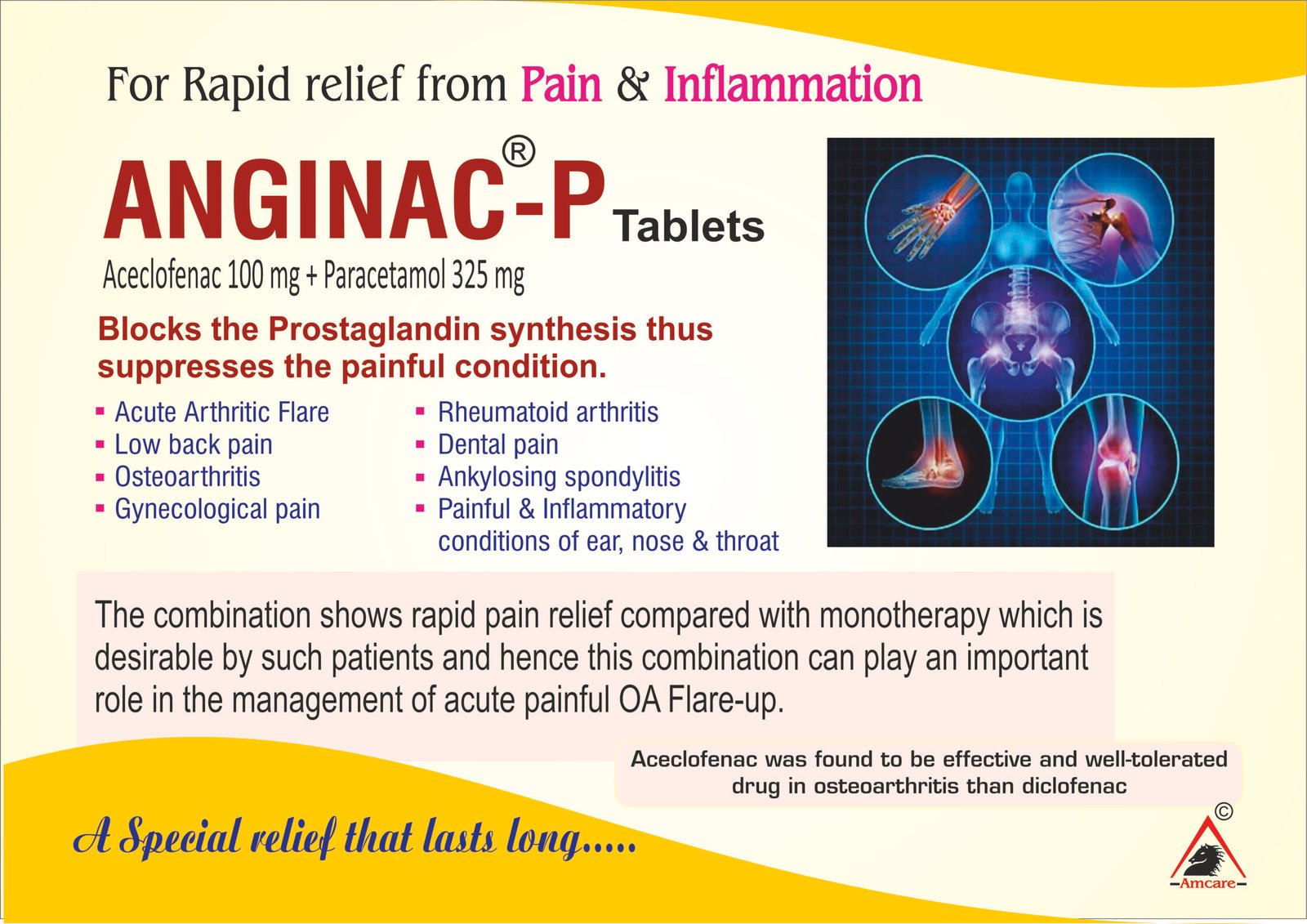
ANGINAC-P Tablets – Aceclofenac 100 mg + Paracetamol 325 mg
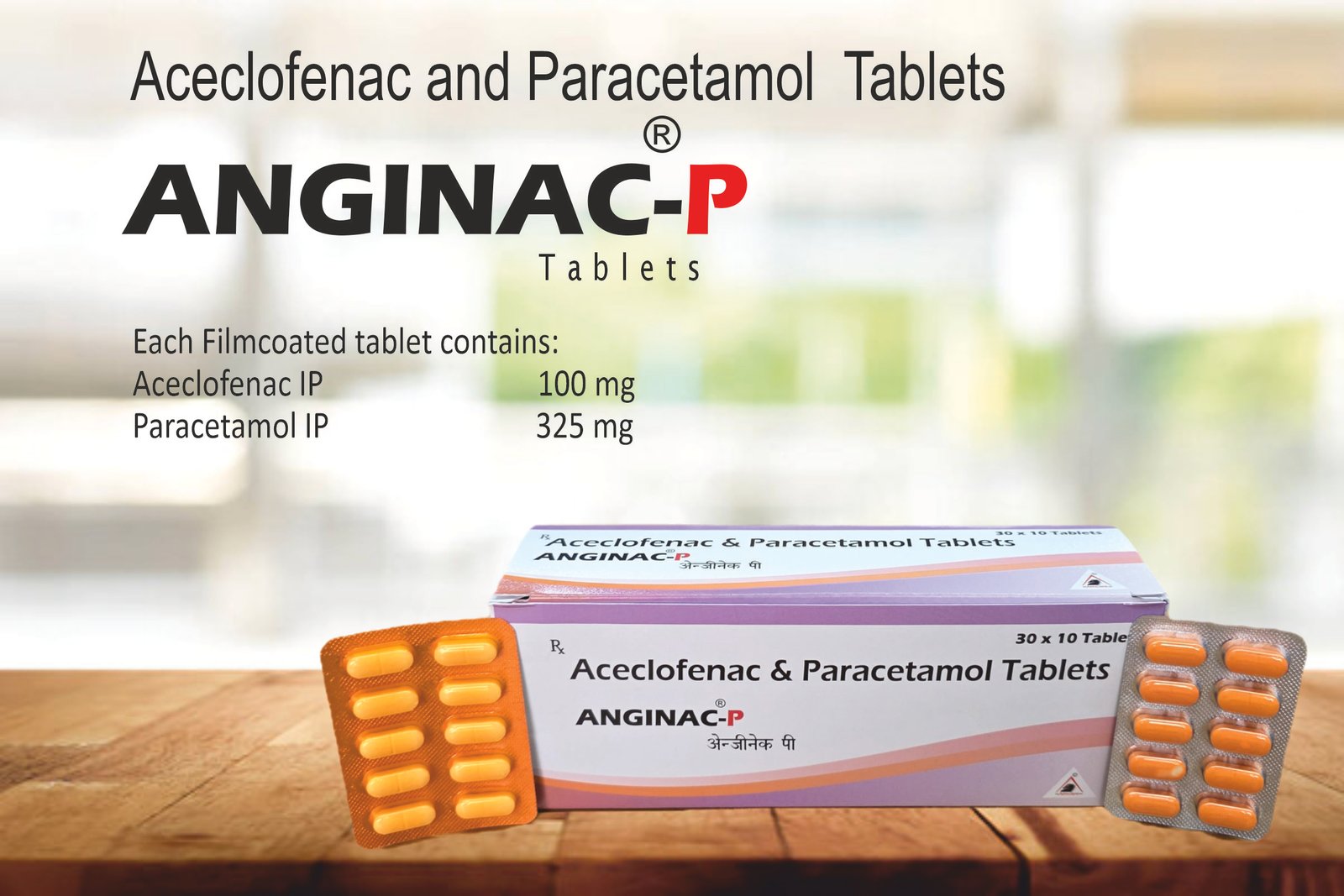
ANGINAC-P Tablets by Amcare Pharmaceuticals contain a fixed-dose combination of Aceclofenac IP 100 mg and Paracetamol IP 325 mg. Aceclofenac is an NSAID with analgesic and anti-inflammatory properties, while paracetamol provides additional analgesic and antipyretic activity. The combination is used for physician-directed management of pain and inflammation in appropriate acute musculoskeletal and joint conditions.
The 100 mg aceclofenac + 325 mg paracetamol combination is also a recognized pharmaceutical strength in the Indian Pharmacopoeia.
Composition of ANGINAC-P Tablets
| Ingredient | Strength |
|---|---|
| Aceclofenac IP | 100 mg |
| Paracetamol IP | 325 mg |
| Excipients | q.s. |
Brand Name: ANGINAC-P
Dosage Form: Film-coated tablet
Route: Oral
Pack Size: 30 × 10 Tablets
Company: Amcare Pharmaceuticals
Therapeutic Category: NSAID + Analgesic/Antipyretic
Prescription Status: Prescription medicine
What are ANGINAC-P Tablets Used For?
ANGINAC-P combines an anti-inflammatory medicine with an analgesic to provide symptomatic relief of pain and inflammation.
Aceclofenac is used for pain and inflammation associated with conditions such as:
- Osteoarthritis
- Rheumatoid arthritis
- Ankylosing spondylitis
Aceclofenac product information specifically lists these inflammatory joint conditions as therapeutic indications.
The aceclofenac + paracetamol combination has also been studied in acute painful conditions, including musculoskeletal pain, low back pain, dental pain, postoperative pain, sprains, strains and related conditions.
Potential clinical applications include:
- Musculoskeletal pain
- Joint pain associated with inflammation
- Osteoarthritis-related pain
- Rheumatoid arthritis-related pain
- Acute low back pain
- Sprains and strains
- Dental pain
- Other physician-diagnosed painful inflammatory conditions
The appropriate indication and treatment duration should be determined by a healthcare professional.
How Does ANGINAC-P Work?
1. Aceclofenac 100 mg
Aceclofenac belongs to the non-steroidal anti-inflammatory drug (NSAID) class.
It inhibits cyclooxygenase-related prostaglandin production, reducing the inflammatory processes involved in pain and swelling. Aceclofenac therefore provides both analgesic and anti-inflammatory activity.
Its therapeutic role includes:
- Reducing inflammatory pain
- Reducing swelling associated with inflammation
- Improving pain-related joint movement
- Helping control musculoskeletal discomfort
2. Paracetamol 325 mg
Paracetamol is an analgesic and antipyretic medicine used to reduce pain and fever.
In ANGINAC-P, paracetamol provides additional analgesic activity alongside aceclofenac.
Combined approach
The combination therefore provides two complementary approaches:
Aceclofenac → anti-inflammatory + analgesic action
Paracetamol → analgesic + antipyretic action
Clinical research has evaluated aceclofenac 100 mg + paracetamol 325 mg in acute painful conditions and found meaningful reductions in pain scores during treatment.
Benefits / Therapeutic Role
1. Pain Relief
ANGINAC-P can provide symptomatic relief from appropriately diagnosed painful conditions.
2. Anti-inflammatory Action
Aceclofenac helps reduce inflammation associated with musculoskeletal and joint conditions.
3. Dual Analgesic Approach
The combination of aceclofenac and paracetamol provides analgesic activity through different pharmacological mechanisms.
4. Joint & Musculoskeletal Symptom Management
Aceclofenac is established for symptomatic treatment of inflammatory joint conditions including osteoarthritis, rheumatoid arthritis and ankylosing spondylitis.
Clinical Evidence
A randomized multicentre study in Indian patients with osteoarthritis flare-up found that an aceclofenac-paracetamol combination produced faster pain relief than aceclofenac alone during the initial hours after dosing.
A later multicentre study also evaluated aceclofenac 100 mg + paracetamol 325 mg in acute painful conditions including low back pain, dental pain, postoperative pain, sprains and other musculoskeletal conditions.
Dosage & Administration
Take ANGINAC-P only according to the dosage prescribed by your doctor.
The appropriate dose and duration depend on:
- Diagnosis
- Severity of pain
- Age
- Kidney and liver function
- Other medicines being taken
- Cardiovascular and gastrointestinal risk factors
For aceclofenac 100 mg as a standalone product, the referenced prescribing information gives 100 mg twice daily as the usual adult dose. However, this should not automatically be used as the dosing instruction for ANGINAC-P, because the product also contains paracetamol and the prescribing decision should account for the total daily paracetamol exposure.
Administration
- Swallow the tablet with water.
- Follow the prescribed schedule.
- Taking it with or after food may help reduce stomach discomfort.
- Do not exceed the prescribed dose.
- Do not take additional paracetamol-containing medicines without checking with a healthcare professional.
Important Paracetamol Precaution
ANGINAC-P already contains 325 mg of paracetamol per tablet.
Therefore, patients should check cold, flu, headache and other pain medicines to ensure they do not unintentionally take additional paracetamol.
Taking excessive amounts of paracetamol can cause serious liver injury, and combining multiple paracetamol-containing products is an important overdose risk.
Possible Side Effects
Because ANGINAC-P contains an NSAID and paracetamol, side effects associated with either ingredient may occur.
Common or possible side effects include:
- Indigestion
- Stomach discomfort
- Nausea
- Vomiting
- Diarrhea
- Dizziness
- Headache
- Skin rash
- Abdominal discomfort
NSAIDs such as aceclofenac can cause gastrointestinal, kidney and cardiovascular adverse effects.
Less common but serious reactions may include:
- Stomach ulcer
- Gastrointestinal bleeding
- Kidney impairment
- Liver enzyme elevation or liver injury
- Fluid retention
- High blood pressure
- Allergic reactions
- Serious skin reactions
- Cardiovascular complications
Seek Immediate Medical Attention If
Stop the medicine and seek urgent medical help if you develop:
- Vomiting blood
- Black or tar-like stools
- Severe abdominal pain
- Difficulty breathing
- Swelling of the face, lips or throat
- Severe skin rash or blistering
- Yellowing of the skin or eyes
- Significant reduction in urine
- Chest pain
- Sudden weakness or other signs of a serious cardiovascular event
NSAIDs can rarely cause serious gastrointestinal bleeding, kidney problems and allergic reactions.
Precautions & Warnings
1. Gastrointestinal Precautions
Aceclofenac, like other NSAIDs, can increase the risk of stomach ulcers and gastrointestinal bleeding.
Patients with a history of peptic ulcer disease or GI bleeding require particular medical assessment.
2. Kidney Function
NSAIDs can affect kidney function, particularly in patients with existing kidney disease, dehydration, heart failure or other risk factors.
Longer-term NSAID treatment may require monitoring of renal function.
3. Liver Function
Because the formulation contains paracetamol, patients with liver disease or significant alcohol use should discuss its use with a healthcare professional.
Paracetamol overdose can cause serious liver injury.
4. Cardiovascular Risk
Aceclofenac and other NSAIDs may increase cardiovascular risk, particularly with prolonged treatment and in patients with cardiovascular risk factors. The referenced aceclofenac product information advises using the lowest effective dose for the shortest necessary duration.
5. Elderly Patients
Older adults may have a higher risk of gastrointestinal, renal, hepatic and cardiovascular adverse effects from NSAIDs. The lowest effective dose and shortest appropriate treatment duration should be considered.
Who Should Use ANGINAC-P With Caution?
Medical advice is particularly important for patients with:
- Previous stomach ulcer or GI bleeding
- Kidney disease
- Liver disease
- Heart disease
- High blood pressure
- Asthma triggered by aspirin or NSAIDs
- Bleeding disorders
- Dehydration
- Regular alcohol consumption
- Previous allergic reactions to NSAIDs
Drug Interactions
Tell your doctor about all medicines you take.
Particular caution may be required with:
- Other NSAIDs
- Aspirin
- Warfarin and other anticoagulants
- Antiplatelet medicines
- Corticosteroids
- ACE inhibitors
- Angiotensin receptor blockers
- Diuretics
- Lithium
- Methotrexate
- Certain medicines affecting kidney function
NSAIDs can interact with anticoagulants, steroids, blood-pressure medicines and other medicines.
Do not duplicate paracetamol
Avoid taking ANGINAC-P together with another medicine containing paracetamol/acetaminophen unless specifically advised by a healthcare professional.
ANGINAC-P During Pregnancy & Breastfeeding
ANGINAC-P should be used during pregnancy only when specifically advised by a healthcare professional.
NSAIDs are generally not recommended during pregnancy, particularly later in pregnancy, because of potential fetal and maternal risks.
Pregnant or breastfeeding patients should inform their doctor before taking this medicine.
Driving & Operating Machinery
Some patients may experience:
- Dizziness
- Drowsiness
- Headache
- Visual or other neurological symptoms
If these effects occur, avoid driving or operating machinery until you feel safe to do so.
Alcohol & ANGINAC-P
Patients should be cautious with alcohol while taking ANGINAC-P.
Alcohol can irritate the gastrointestinal tract and may increase concerns related to NSAID-associated stomach complications. Heavy alcohol consumption also increases the concern for paracetamol-related liver injury.
Storage
Store ANGINAC-P Tablets:
- In a cool, dry place
- Away from direct sunlight
- Protected from excessive moisture
- In the original packaging
- Out of reach of children
Follow the storage conditions specified on the approved product packaging.
Key Product Features
| Product Feature | Details |
|---|---|
| Brand Name | ANGINAC-P |
| Generic Combination | Aceclofenac + Paracetamol |
| Aceclofenac Strength | 100 mg |
| Paracetamol Strength | 325 mg |
| Dosage Form | Film-coated tablet |
| Route | Oral |
| Therapeutic Class | NSAID + Analgesic/Antipyretic |
| Primary Role | Pain and inflammation management |
| Pack Size | 30 × 10 Tablets |
| Company | Amcare Pharmaceuticals |
| Prescription Status | Prescription medicine |
Why Choose ANGINAC-P by Amcare Pharmaceuticals?
ANGINAC-P combines Aceclofenac IP 100 mg + Paracetamol IP 325 mg in a film-coated tablet formulation.
The combination brings together:
- NSAID-based anti-inflammatory activity
- Analgesic activity from aceclofenac
- Additional analgesic and antipyretic activity from paracetamol
- A convenient fixed-dose oral formulation
The product is intended for professional, physician-directed use according to the patient’s clinical condition.