Our Products
RUTOBIL-D
Product Composition
Packaging Details
Product Description
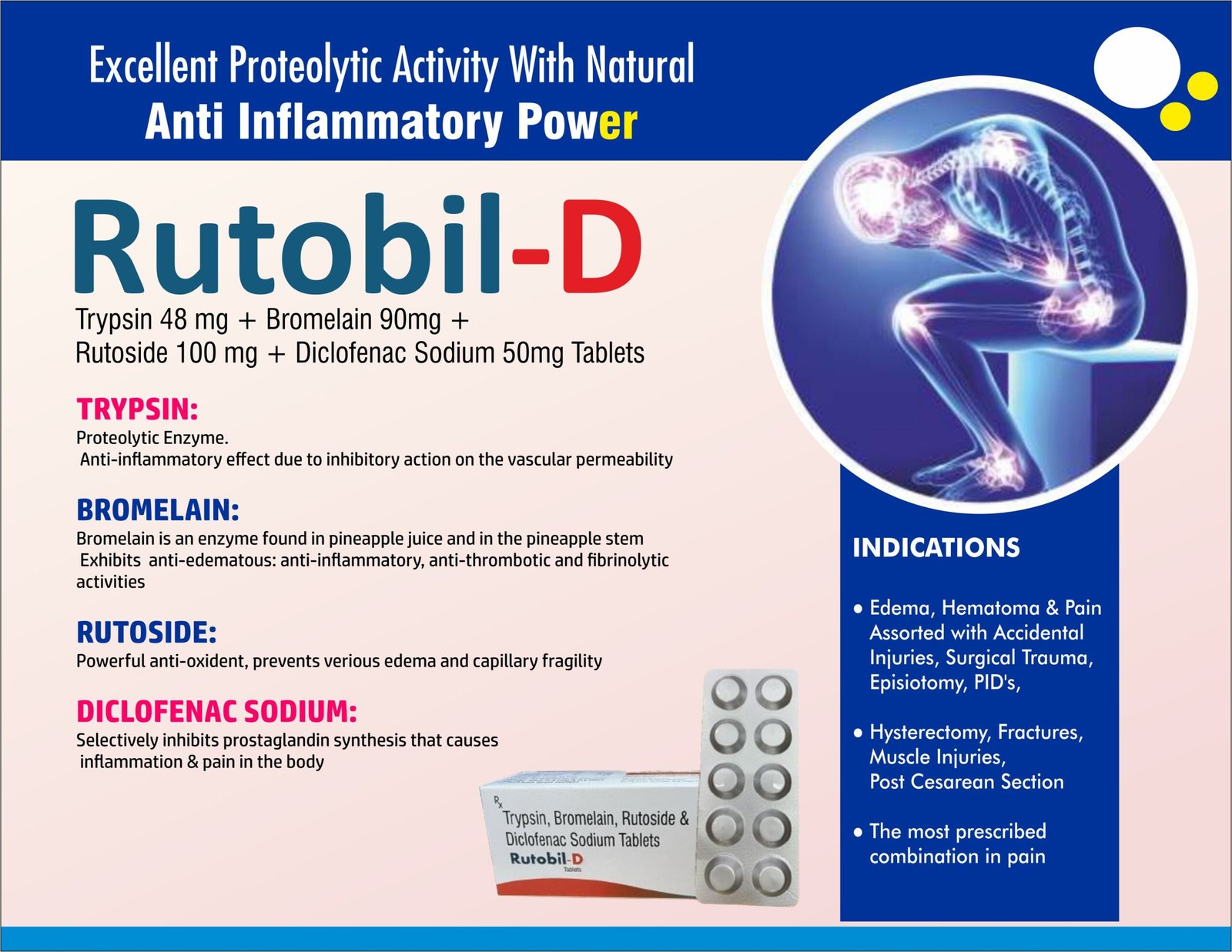
Rutobil-D Tablets – Trypsin 48 mg + Bromelain 90 mg + Rutoside 100 mg + Diclofenac 50 mg
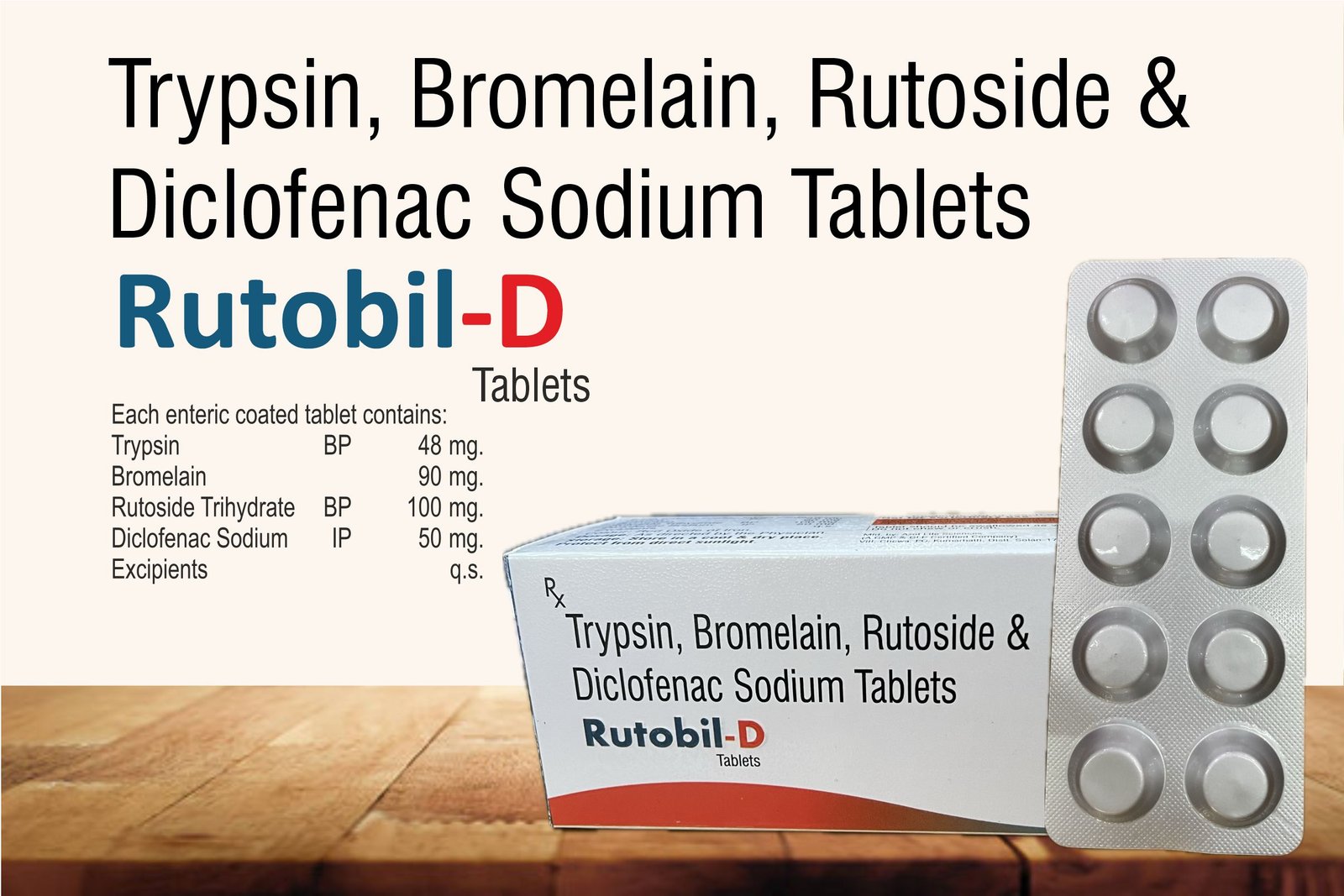
Rutobil-D Tablets by Amcare Pharmaceuticals are an enteric-coated fixed-dose combination containing Trypsin BP 48 mg, Bromelain 90 mg, Rutoside Trihydrate BP 100 mg and Diclofenac Sodium IP 50 mg per tablet. The product artwork identifies it as a prescription medicine.
The combination brings together proteolytic enzymes and rutoside with diclofenac, an NSAID, for physician-directed management of pain, inflammation and selected postoperative inflammatory symptoms.
Composition of Rutobil-D Tablets
| Ingredient | Strength |
|---|---|
| Trypsin BP | 48 mg |
| Bromelain | 90 mg |
| Rutoside Trihydrate BP | 100 mg |
| Diclofenac Sodium IP | 50 mg |
| Excipients | q.s. |
Product Information
| Particular | Details |
|---|---|
| Brand Name | Rutobil-D |
| Dosage Form | Enteric-coated tablet |
| Route | Oral |
| Pack Size | 10 × 10 Tablets* |
| Company | Amcare Pharmaceuticals |
| Category | Proteolytic Enzymes + Rutoside + NSAID |
| Prescription Status | Prescription medicine |
*Pack size should be confirmed against the final approved artwork/specification if this page is being used for regulatory documentation.
What are Rutobil-D Tablets Used For?
Rutobil-D may be prescribed as part of the management of acute pain and inflammation, particularly when postoperative swelling or inflammatory symptoms are also present.
Potential physician-directed applications include:
- Acute musculoskeletal pain
- Pain associated with inflammation
- Postoperative pain and swelling
- Orthopedic postoperative inflammatory symptoms
- Dental/oral surgical inflammatory symptoms
- Soft-tissue inflammatory conditions
A 2025 randomized clinical trial evaluated the same four-component combination—trypsin 48 mg, bromelain 90 mg, rutoside 100 mg and diclofenac 50 mg—after minor orthopedic surgery. Both the combination and diclofenac comparator groups showed improvement in wound symptoms and pain over seven days; the study did not demonstrate a statistically significant difference between groups in the primary symptom-score or pain changes.
A separate randomized clinical trial following mandibular third-molar surgery compared this combination with aceclofenac/paracetamol/serratiopeptidase and reported lower pain scores in the trypsin-bromelain-rutoside-diclofenac group at the measured postoperative time points.
The exact indication should be determined by the prescribing physician.
How Does Rutobil-D Work?
1. Trypsin – 48 mg
Trypsin is a proteolytic enzyme. In oral enzyme combinations, it has been studied as part of treatment intended to support management of inflammatory and postoperative symptoms.
Clinical research has evaluated trypsin-containing combinations in postoperative wound settings, although the evidence is condition-specific and should not be interpreted as proof of a general wound-healing effect for every patient.
2. Bromelain – 90 mg
Bromelain is a group of proteolytic enzymes derived from pineapple.
Oral bromelain has been investigated for several inflammatory and postoperative conditions. NCCIH notes that some studies suggest possible benefit for symptoms associated with wisdom-tooth surgery, while overall high-quality evidence remains limited for some proposed uses. Oral bromelain is generally tolerated, with stomach upset and diarrhea among reported adverse effects.
3. Rutoside Trihydrate – 100 mg
Rutoside, also known as rutin, is a flavonoid derivative included in several oral enzyme combinations. It is used in formulations intended to provide supportive management of inflammatory and vascular-related symptoms.
The clinical evidence for the specific four-component Rutobil-D combination is more relevant than making broad claims about rutoside alone.
4. Diclofenac Sodium – 50 mg
Diclofenac is an NSAID with analgesic and anti-inflammatory activity.
It reduces prostaglandin synthesis involved in pain and inflammation. However, diclofenac carries important gastrointestinal, cardiovascular and renal risks, particularly with higher doses or longer treatment durations.
Combined Action of Rutobil-D
Trypsin → Proteolytic enzyme component
Bromelain → Proteolytic enzyme component
Rutoside → Flavonoid component
Diclofenac → Analgesic + anti-inflammatory NSAID
The combination is therefore intended for physician-directed symptomatic management where pain and inflammation, with selected postoperative inflammatory symptoms, are clinically relevant.
Benefits / Therapeutic Role
1. Pain Relief
Diclofenac provides analgesic activity for acute painful inflammatory conditions.
2. Anti-inflammatory Action
Diclofenac helps reduce inflammatory pain and associated symptoms.
3. Supportive Management of Postoperative Swelling
Trypsin, bromelain and rutoside combinations have been studied in postoperative settings. Clinical studies have reported changes in symptoms such as edema, tenderness and local irritation in selected surgical populations.
4. Fixed-Dose Combination
Four active ingredients are incorporated into one enteric-coated tablet when the prescriber considers the combination appropriate.
Dosage & Administration
Rutobil-D should be taken only according to the prescription of a qualified healthcare professional.
The appropriate dose and treatment duration depend on:
- Diagnosis
- Severity of pain and inflammation
- Type of surgery or injury, where applicable
- Age
- Kidney function
- Liver function
- Gastrointestinal history
- Cardiovascular risk
- Other medicines being taken
A clinical trial using the same four-ingredient formulation administered one tablet three times daily for seven days after minor orthopedic surgery, but this was a specific study protocol and should not be treated as a universal dosing instruction for Rutobil-D.
Administration
- Take exactly as prescribed.
- Swallow the enteric-coated tablet with water.
- Do not crush or chew unless specifically instructed.
- Do not exceed the prescribed dose.
- Do not combine with another NSAID unless directed by your physician.
Possible Side Effects
Diclofenac-related
Possible adverse effects include:
- Indigestion
- Nausea
- Vomiting
- Stomach discomfort
- Diarrhea
- Headache
- Dizziness
- Fluid retention
More serious NSAID-related complications include gastrointestinal bleeding, ulceration, kidney problems and cardiovascular events.
Bromelain/enzyme-related
Possible effects may include:
- Stomach upset
- Diarrhea
- Nausea
- Allergic reactions in susceptible individuals
NCCIH reports stomach upset and diarrhea among commonly reported adverse effects of oral bromelain.
Serious Symptoms Requiring Medical Attention
Seek urgent medical attention if the patient develops:
Gastrointestinal symptoms
- Vomiting blood
- Black or tarry stools
- Severe abdominal pain
Allergic symptoms
- Difficulty breathing
- Swelling of the face, lips or throat
- Severe skin rash
Cardiovascular symptoms
- Chest pain
- Sudden weakness
- Sudden difficulty speaking
Kidney-related symptoms
- Markedly reduced urine output
- Significant swelling
Precautions & Warnings
1. Gastrointestinal Risk
Diclofenac can cause ulceration, bleeding and perforation of the gastrointestinal tract, potentially without warning symptoms.
Extra caution is required in patients with a history of:
- Stomach ulcer
- Gastrointestinal bleeding
- Older age
- Concurrent anticoagulant use
- Corticosteroid therapy
2. Cardiovascular Risk
NSAIDs including diclofenac can increase the risk of serious cardiovascular thrombotic events. This risk can occur early during treatment and may increase with duration of use.
3. Kidney Function
NSAIDs can affect kidney function, especially in patients with:
- Kidney disease
- Dehydration
- Heart failure
- Older age
- Medicines affecting renal function
4. Liver Function
Patients with existing liver disease should inform their doctor before taking this medicine.
5. Bleeding Risk
Because diclofenac can increase gastrointestinal bleeding risk, patients taking anticoagulants or antiplatelet medicines should discuss treatment with their physician.
Who Should Avoid or Use Rutobil-D With Caution?
Medical assessment is particularly important for patients with:
- Previous stomach ulcer or GI bleeding
- Kidney disease
- Liver disease
- Heart disease
- High blood pressure
- Heart failure
- NSAID allergy
- NSAID-related asthma
- Bleeding disorders
- Dehydration
- Previous adverse reaction to NSAIDs
- Anticoagulant or antiplatelet therapy
- Known allergy to bromelain, pineapple or formulation components
Drug Interactions
Inform your doctor about all prescription medicines, OTC medicines and supplements.
Particular attention may be required with:
- Other NSAIDs
- Aspirin
- Warfarin and other anticoagulants
- Antiplatelet medicines
- Corticosteroids
- ACE inhibitors
- ARBs
- Diuretics
- Lithium
- Methotrexate
- Other medicines affecting kidney function
Because the product contains diclofenac, duplicate NSAID therapy should generally be avoided unless specifically directed by a healthcare professional.
Bromelain and other herbal/enzyme products may also interact with medicines, so patients should inform their healthcare provider about supplements they are using.
Pregnancy & Breastfeeding
Rutobil-D should be used during pregnancy or breastfeeding only after specific medical assessment.
Diclofenac and other NSAIDs have important pregnancy-related restrictions, particularly later in pregnancy. Patients who are pregnant, planning pregnancy or breastfeeding should inform their doctor before taking this medicine.
Driving & Operating Machinery
Some patients may experience:
- Dizziness
- Headache
- Nausea
- Reduced alertness
If these symptoms affect concentration or coordination, avoid driving or operating machinery.
Alcohol & Rutobil-D
Alcohol should be minimized or avoided unless your healthcare professional advises otherwise.
Particular concerns include:
- Increased gastrointestinal irritation associated with diclofenac
- Increased risk of gastrointestinal bleeding
- Potential additional liver-related concerns
- Increased dizziness in susceptible individuals
Storage
Store Rutobil-D Tablets:
- In a cool, dry place
- Away from direct sunlight
- Protected from excessive moisture
- In the original packaging
- Out of reach of children
Follow the storage conditions printed on the approved product packaging.
Key Product Features
| Product Feature | Details |
|---|---|
| Brand Name | Rutobil-D |
| Trypsin | 48 mg |
| Bromelain | 90 mg |
| Rutoside Trihydrate | 100 mg |
| Diclofenac Sodium | 50 mg |
| Dosage Form | Enteric-coated tablet |
| Route | Oral |
| Therapeutic Category | Proteolytic Enzymes + Rutoside + NSAID |
| Primary Role | Pain, inflammation & selected postoperative inflammatory symptoms |
| Pack Size | 10 × 10 Tablets* |
| Company | Amcare Pharmaceuticals |
| Prescription Status | Prescription medicine |
*Confirm final approved pack specification before publishing regulatory information.
Why Choose Rutobil-D by Amcare Pharmaceuticals?
Rutobil-D combines:
- Trypsin BP – 48 mg
- Bromelain – 90 mg
- Rutoside Trihydrate BP – 100 mg
- Diclofenac Sodium IP – 50 mg
The formulation combines a conventional NSAID with proteolytic enzymes and rutoside for physician-directed symptomatic management of appropriate painful inflammatory and selected postoperative conditions.